
321 Non-Crisis Intervention
Categories: 300 Professional Development
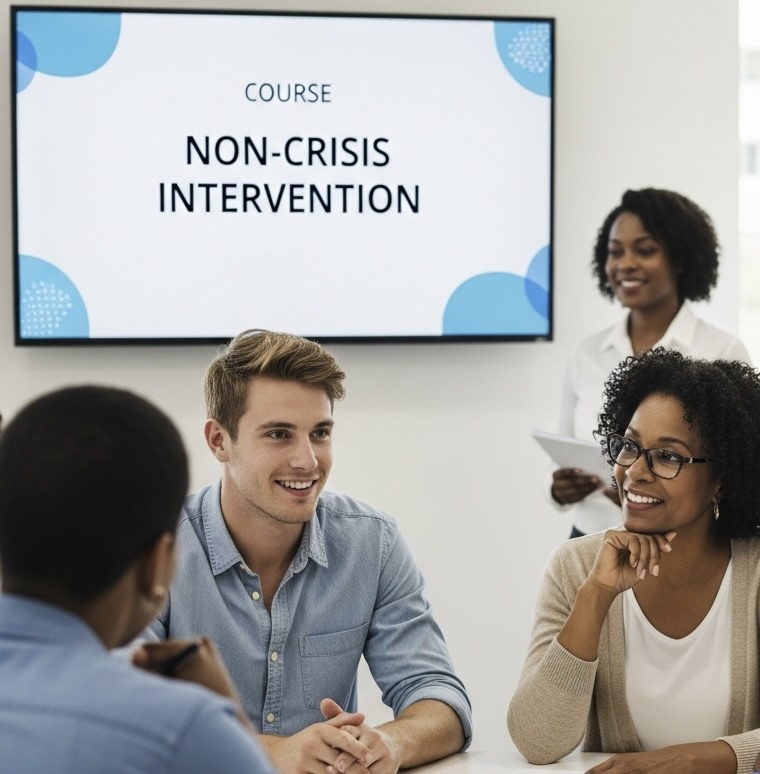
About Course
The Nonviolent Crisis Intervention Course for Canadians is a specialized training program designed to equip individuals and professionals with the skills and knowledge necessary to effectively manage crisis situations in a nonviolent manner. This course focuses on preventing, de-escalating, and resolving crisis situations while prioritizing safety, empathy, and respect for all individuals involved. Participants will learn practical techniques, communication strategies, and de-escalation methods to promote peaceful resolutions and maintain a safe environment.
What Will You Learn?
- Upon completion of the Nonviolent Crisis Intervention Course, participants will gain comprehensive knowledge of nonviolent crisis intervention techniques and strategies and develop enhanced communication and active listening skills. You will gain the ability to recognize and de-escalate crisis situations effectively with a new understanding of legal and ethical considerations in crisis intervention situations. You will be able to employ this new knowledge with confidence in managing crisis situations with empathy, respect and have an enhanced cultural sensitivity awareness of diverse populations.
Course Content
Module 1: Introduction to Crisis Intervention
Crisis intervention is a short-term, immediate psychological care aimed at assisting individuals in crisis to restore their equilibrium and provide support during a challenging situation. It is a time-sensitive approach that focuses on addressing the immediate needs and concerns of individuals who are experiencing a crisis.
The goal of crisis intervention is to ensure the safety and well-being of the individual, stabilize the crisis situation, and provide emotional support. Crisis intervention is often provided by mental health professionals, such as psychologists, social workers, or counselors, who are trained to assess the situation, intervene effectively, and help individuals cope with the crisis.
Crisis situations can include a wide range of events, such as natural disasters, accidents, sudden loss, traumatic experiences, relationship conflicts, mental health crises, or suicidal thoughts. Crisis intervention techniques may involve active listening, empathy, validation, problem-solving, and referral to appropriate resources.
It is important to note that crisis intervention is not a substitute for long-term therapy or treatment. Its primary focus is on immediate support and stabilization. However, crisis intervention can serve as a crucial first step in the recovery process and help individuals regain a sense of control and coping skills during difficult times.
-
– Understanding crisis situations and their impact
-
– Recognizing signs of escalation and potential triggers
-
– Importance of nonviolent approaches in crisis management
-
– Legal and ethical considerations in crisis intervention
-
Module 1
Module 2: Effective Communication and Active Listening
Effective communication and active listening are crucial skills in crisis intervention and any helping profession. Here are some key points to consider:
1. Clear and Concise Communication: Crisis interveners should strive to communicate clearly and concisely, using language that is easily understood by the individual in crisis. Avoid jargon or technical terms that may confuse or overwhelm the person. Use simple and straightforward language to convey information, instructions, and support.
2. Empathy and Non-Judgmental Attitude: Demonstrating empathy and maintaining a non-judgmental attitude are essential in effective communication. Show understanding and compassion towards the individual's feelings and experiences, even if you may not agree with their actions or decisions. Avoid making assumptions or placing blame.
3. Active Listening: Active listening involves fully focusing on and understanding what the person is saying. It includes giving your full attention, maintaining eye contact, and using verbal and non-verbal cues to show that you are actively engaged in the conversation. Avoid interrupting or rushing the person while they are speaking.
4. Reflective Responses: Use reflective responses to show that you have understood and validated the person's thoughts and emotions. Paraphrase or summarize what the person has said to demonstrate that you are actively listening and trying to understand their perspective. This can help build rapport and trust.
5. Non-Verbal Communication: Non-verbal cues, such as facial expressions, body language, and tone of voice, play a significant role in effective communication. Pay attention to your own non-verbal cues to ensure they convey openness, empathy, and respect. Also, observe the individual's non-verbal cues to gather additional information about their emotional state and needs.
6. Clarification and Open-Ended Questions: To ensure accurate understanding, ask clarifying questions when needed. Use open-ended questions to encourage the person to express their thoughts and feelings more fully. This can help them explore their experiences and find their own solutions.
7. Patience and Respect: Be patient and allow the person to express themselves at their own pace. Respect their boundaries and choices, even if they differ from your own. Avoid imposing your own beliefs or solutions on the person. Instead, empower them to make their own decisions and choices.
8. Cultural Sensitivity: Recognize and respect cultural differences in communication styles and norms. Be aware of your own biases and assumptions. Adapt your communication approach to be respectful and inclusive of the person's cultural background.
Remember, effective communication and active listening are ongoing practices that require self-awareness, empathy, and continuous improvement. By honing these skills, crisis interveners can establish a trusting and supportive relationship with individuals in crisis, facilitating their healing and growth.
-
– Verbal and nonverbal communication skills
-
– Active listening techniques
-
– Empathy and building rapport with individuals in crisis
-
– Cultural sensitivity and communication across diverse populations
-
Module 2
Module 3: Crisis Prevention and Early Intervention
Crisis prevention and early intervention are crucial strategies in addressing and mitigating potential crises or challenging situations. By identifying warning signs, implementing preventive measures, and providing early support, individuals and communities can minimize the impact of crises. Here are some key points to consider:
1. Identify Warning Signs: It is important to be aware of the warning signs that can indicate a potential crisis or challenging situation. These signs may vary depending on the context, but they can include changes in behavior, mood, or performance, withdrawal from social interactions, increased stress levels, or expressions of distress. Recognizing these signs early on can help in taking proactive measures.
2. Promote Awareness and Education: Raising awareness about potential crises and providing education on coping mechanisms and resilience-building can be helpful in preventing crises. This can be done through training programs, workshops, community outreach, and disseminating information through various channels. The more individuals and communities are informed, the better equipped they will be to manage challenging situations.
3. Develop Support Systems: Establishing strong support systems is crucial in crisis prevention and early intervention. This can include mental health services, counseling programs, helplines, or community organizations that provide resources and assistance. Encouraging individuals to reach out for help and ensuring that support is readily available can make a significant difference in preventing crises from escalating.
4. Foster a Safe and Supportive Environment: Creating a safe and supportive environment is essential in preventing crises. This includes promoting inclusivity, respect, and open communication within families, schools, workplaces, and communities. Encouraging individuals to express their concerns and providing a non-judgmental space for dialogue can help address issues before they escalate into crises.
5. Implement Early Intervention Strategies: When warning signs are identified, it is important to intervene early to provide the necessary support and assistance. This can involve connecting individuals with appropriate resources, such as counseling services, mental health professionals, or support groups. Early intervention can help individuals develop coping skills, access necessary treatment, and prevent the situation from worsening.
6. Encourage Self-Care and Resilience: Promoting self-care practices and resilience-building can contribute to crisis prevention. Encourage individuals to prioritize their well-being, engage in activities that promote physical and mental health, and develop healthy coping mechanisms. Building resilience equips individuals with the tools to navigate challenging situations and bounce back from setbacks.
7. Collaborate with Stakeholders: Crisis prevention and early intervention efforts are most effective when various stakeholders collaborate. This can include educators, healthcare professionals, community leaders, law enforcement agencies, and social service providers. By working together, resources can be pooled, expertise can be shared, and comprehensive strategies can be developed to address potential crises.
By prioritizing crisis prevention and early intervention, individuals and communities can create a supportive environment, identify warning signs, and provide timely support. These efforts can help reduce the impact of crises, promote well-being, and build resilience in the face of challenges.
-
– Identifying risk factors and potential triggers
-
– Strategies for preventing crisis situations
-
– Building positive relationships and creating supportive environments
-
– Implementing proactive measures to de-escalate potential conflicts
-
Module 3
Module 4: De-escalation Techniques
De-escalation techniques are strategies used to reduce tension, defuse conflicts, and promote calm and rational communication. Here are some effective de-escalation techniques:
1. Stay Calm: Remaining calm is crucial when de-escalating a situation. Take deep breaths, maintain a relaxed posture, and speak in a calm and composed manner. Your calm demeanor can help diffuse the other person's emotions and create a more conducive environment for resolution.
2. Active Listening: Practice active listening by giving the person your full attention. Maintain eye contact, nod to show understanding, and use verbal cues such as "I see" or "I understand." This demonstrates that you value their perspective and are willing to listen.
3. Empathize and Validate: Show empathy by acknowledging and validating the other person's feelings and concerns. Use phrases like "I can understand why you might feel that way" or "It sounds like you're really frustrated." Validating their emotions can help them feel heard and understood, reducing their defensiveness.
4. Use Non-Threatening Body Language: Your body language can significantly impact the de-escalation process. Maintain an open posture, avoid crossing your arms, and keep a relaxed facial expression. This non-threatening body language can help create a sense of safety and trust.
5. Lower Your Voice: Speaking in a calm and soft tone can have a soothing effect on the other person. Lower your voice to match their volume, but be sure to speak clearly and respectfully. Yelling or raising your voice can escalate the situation further.
6. Clarify and Summarize: Clarify any misunderstandings or miscommunications by restating what the person has said. Paraphrase their points to ensure that you fully understand their perspective. Summarize the main points of the conversation to show that you are actively engaged and seeking resolution.
7. Offer Choices and Options: Provide the person with options or choices to help them feel more in control of the situation. Presenting alternatives can redirect their focus from the conflict and shift towards problem-solving.
8. Problem-Solve Together: Collaborate with the person to find a mutually acceptable solution. Encourage brainstorming, explore different perspectives, and work towards a compromise that addresses the concerns of both parties. This collaborative approach fosters a sense of cooperation and shared responsibility.
9. Set Boundaries: If the person's behavior becomes aggressive or disrespectful, it is important to set clear boundaries. Calmly and assertively communicate what is acceptable and unacceptable behavior. Reinforce that respectful communication is essential for productive dialogue.
10. Take Breaks: If the situation becomes overwhelming or emotions are running high, suggest taking a break. This allows both parties to cool down, collect their thoughts, and approach the issue with a fresh perspective. Agree on a specific time to reconvene and continue the conversation.
Remember, de-escalation techniques require practice and patience. Each situation is unique, so adapt these techniques to fit the specific circumstances. The goal is to create a safe and respectful environment that promotes effective communication and resolution.
-
– Recognizing levels of aggression and agitation
-
– Using verbal and nonverbal de-escalation techniques
-
– Calming techniques and breathing exercises
-
– Maintaining personal boundaries and ensuring personal safety
-
Module 4
Module 5: Understanding and Managing Emotions
Crisis intervention is a specialized approach to understanding and managing emotions in times of acute distress or crisis. Here are some key strategies for crisis intervention that can help individuals navigate their emotions during challenging situations:
1. Establish safety and rapport: When intervening in a crisis, it is essential to prioritize the individual's safety and establish a sense of trust and rapport. Create a safe and non-judgmental space for the person to express their emotions and concerns.
2. Actively listen and validate emotions: Show empathy and actively listen to the person's emotions, thoughts, and experiences without judgment. Validate their feelings and let them know that their emotions are recognized and understood. This can help the person feel supported and validated, which can facilitate emotional regulation.
3. Provide psychoeducation: Offer information and education about common emotional responses to crises. Help the person understand that their emotional reactions are normal and that they are not alone in experiencing them. This can help reduce feelings of isolation and provide a sense of reassurance.
4. Teach grounding and relaxation techniques: Teach the person grounding and relaxation techniques that can help regulate their emotions during times of distress. Deep breathing exercises, mindfulness techniques, and progressive muscle relaxation can help individuals calm their nervous system and regain a sense of control.
5. Encourage problem-solving and coping skills: Help the person identify any practical steps they can take to address the crisis situation. Encourage them to brainstorm solutions, consider their options, and develop a plan of action. Additionally, support them in identifying healthy coping skills, such as seeking social support, engaging in self-care activities, or utilizing community resources.
6. Assess for immediate needs and provide resources: Assess the person's immediate needs, such as physical safety, medical attention, or access to basic necessities. Provide appropriate resources and referrals to support services, such as crisis hotlines, mental health professionals, or community organizations that can offer assistance.
7. Follow up and provide ongoing support: It is important to follow up with the person after the crisis intervention to ensure their ongoing well-being. Offer ongoing support, check-ins, and encourage them to continue seeking help if needed. Let them know that they can reach out for support in the future if they require further assistance.
Remember that crisis intervention is a specialized skill, and it is important to seek professional help if you are not trained in crisis intervention techniques. Mental health professionals, crisis hotlines, and community organizations can provide additional support and guidance in managing emotions during crises.
-
– Emotional intelligence and self-awareness in crisis situations
-
– Assessing and responding to emotional states of individuals in crisis
-
– Techniques for managing and regulating emotions in crisis intervention
-
– Trauma-informed approaches to crisis intervention
-
Module 5
Module 6: Crisis Resolution and Post-Crisis Support
Crisis resolution and post-crisis support are crucial components of trauma-informed care. These approaches focus on helping individuals navigate through a crisis and providing ongoing support to aid their recovery. Here are some key elements of crisis resolution and post-crisis support:
1. Crisis resolution:
a. Immediate response: Provide a prompt and empathetic response to the crisis. Offer emotional support and reassurance while ensuring the individual's safety.
b. Problem-solving: Collaboratively identify and address the immediate crisis and its underlying causes. Help the individual develop coping strategies and problem-solving skills to manage the current situation effectively.
c. Crisis planning: Develop a crisis plan with the individual, outlining steps to take in case of future crises. This plan includes identifying support networks, coping mechanisms, and professional resources that can be accessed during future crises.
2. Post-crisis support:
a. Emotional support: Offer ongoing emotional support to individuals after the crisis has subsided. Validate their experiences, provide a listening ear, and encourage them to express their feelings and concerns.
b. Trauma-focused therapy: Connect individuals with trauma-focused therapy or counseling services to address any underlying trauma related to the crisis. These therapies can help individuals process their experiences, build resilience, and develop healthy coping mechanisms.
c. Practical assistance: Assess and address any practical needs that may have arisen from the crisis. This may involve connecting individuals with resources for housing, financial support, legal assistance, or other necessary services.
d. Peer support: Facilitate access to peer support groups or networks where individuals can connect with others who have experienced similar crises. Peer support provides validation, empathy, and a sense of community, enhancing the recovery process.
e. Follow-up and monitoring: Maintain regular contact with individuals to monitor their progress and provide ongoing support. Check in on their well-being and offer assistance if needed. Regular follow-ups demonstrate care and commitment to their recovery.
It is crucial to approach crisis resolution and post-crisis support with a trauma-informed lens, considering the potential impact of trauma on the individual's responses and needs. By providing comprehensive and compassionate care during and after a crisis, we can support individuals in their healing journey and promote long-term well-being.
-
– Resolving crisis situations peacefully and safely
-
– Developing crisis intervention plans
-
– Providing post-crisis support and resources
-
– Self-care strategies for individuals involved in crisis management
-
Module 6
Module 7: Legal Considerations and Ethical Practices
Legal considerations and ethical practices are of utmost importance in crisis management. Adhering to legal requirements and ethical principles not only ensures the protection of individuals involved but also helps maintain trust, transparency, and accountability throughout the crisis response. Here are some key points to consider:
Legal Considerations:
1. Compliance with laws and regulations: Ensure that all actions and decisions are in compliance with relevant laws, regulations, and guidelines. This includes areas such as data protection, privacy, employment laws, and emergency response protocols.
2. Duty of care: Maintain a duty of care towards all individuals affected by the crisis, including employees, customers, and the general public. This includes providing a safe and secure environment, adhering to health and safety regulations, and taking necessary precautions to minimize harm.
3. Legal obligations for communication: Follow legal requirements for communication during a crisis, including timely and accurate dissemination of information to stakeholders, adherence to confidentiality and privacy laws, and compliance with media relations protocols.
Ethical Practices:
1. Transparency and honesty: Be transparent in communication and provide accurate and timely information to stakeholders. Avoid withholding critical information or providing false or misleading statements. Honesty and transparency build trust and credibility.
2. Respect for human rights: Uphold and respect the fundamental human rights of all individuals involved in the crisis. Ensure that actions taken during the crisis response do not violate human rights, discriminate against any group, or infringe upon individual freedoms.
3. Inclusivity and diversity: Ensure that the crisis response is inclusive and takes into account the needs and perspectives of diverse populations. Avoid any actions or decisions that may perpetuate biases or discrimination based on race, ethnicity, gender, religion, or any other protected characteristic.
4. Ethical use of resources: Make efficient and responsible use of resources during the crisis response. Allocate resources fairly, avoiding waste or misappropriation. Consider the long-term impact of resource utilization on the environment and the community.
5. Confidentiality and data protection: Respect the privacy and confidentiality of individuals involved in the crisis. Handle sensitive information appropriately, ensuring compliance with data protection laws and regulations.
6. Ethical decision-making: Engage in ethical decision-making processes by considering the potential impact of decisions on all stakeholders, weighing the benefits and risks, and seeking input from relevant experts or advisors. Act in the best interest of all parties involved.
7. Continuous improvement and learning: Regularly review and evaluate the crisis response to identify areas for improvement. Learn from past experiences, incorporate feedback, and make necessary adjustments to ensure ethical practices are upheld in future crisis situations.
Adhering to legal requirements and ethical practices not only helps protect the rights and well-being of individuals but also enhances the effectiveness and credibility of crisis management efforts. It is essential to foster a culture of ethical behavior and accountability throughout the crisis response process.
-
– Understanding relevant laws and regulations
-
– Duty of care and legal responsibilities in crisis intervention
-
– Confidentiality and privacy considerations
-
– Ethical decision-making in crisis situations
-
Module 7
Module 8: Role-plays and Practical Scenarios
Role-plays and practical scenarios can be valuable tools for training in nonviolent crisis intervention. They provide an opportunity for participants to practice and apply the principles and techniques of nonviolent crisis intervention in a safe and controlled environment. Here are a few examples of role-plays and practical scenarios that can be used:
1. Verbal De-escalation: Participants can engage in role-plays where they practice using effective communication skills to de-escalate a crisis situation. This can include active listening, empathy, and using calming and supportive language to help the individual feel heard and understood.
2. Personal Space and Boundaries: Participants can practice setting and maintaining appropriate personal space and boundaries in a crisis situation. This can involve role-plays where they respond to individuals who are invading personal space or displaying aggressive behavior, using non-threatening body language and assertive verbal cues.
3. Physical Intervention Techniques: For scenarios that involve a higher level of aggression or risk, participants can practice physical intervention techniques. This can include role-plays where they learn and apply techniques such as escorting, blocking, and disengaging to safely manage and control a crisis situation.
4. Teamwork and Collaboration: Participants can engage in scenarios that require teamwork and collaboration. This can involve role-plays where they work together to assess the situation, develop a plan, and implement strategies to effectively manage the crisis while ensuring the safety and well-being of all individuals involved.
5. Cultural Sensitivity: Role-plays can also be designed to address cultural sensitivity and diversity. Participants can engage in scenarios that require them to consider and respect cultural differences and adapt their approach accordingly, ensuring that interventions are culturally appropriate and sensitive.
6. Documentation and Reporting: Participants can practice documentation and reporting skills in scenarios where they need to accurately record the details of the crisis situation, interventions used, and any follow-up actions taken. This can include role-plays where they complete incident reports or communicate with other team members or supervisors.
It is important to ensure that role-plays and practical scenarios are conducted in a supportive and non-judgmental environment. Facilitators should provide feedback and guidance to participants, allowing them to reflect on their actions and identify areas for improvement. Additionally, debriefing sessions after each scenario can be helpful for participants to discuss their experiences, share insights, and learn from one another.
-
– Applying learned techniques through role-play exercises
-
– Simulated crisis scenarios and practical application of skills
-
– Group discussions and debriefing sessions for learning and reflection
-
– Feedback and guidance from experienced facilitators
-
Module 8
Student Ratings & Reviews

No Review Yet